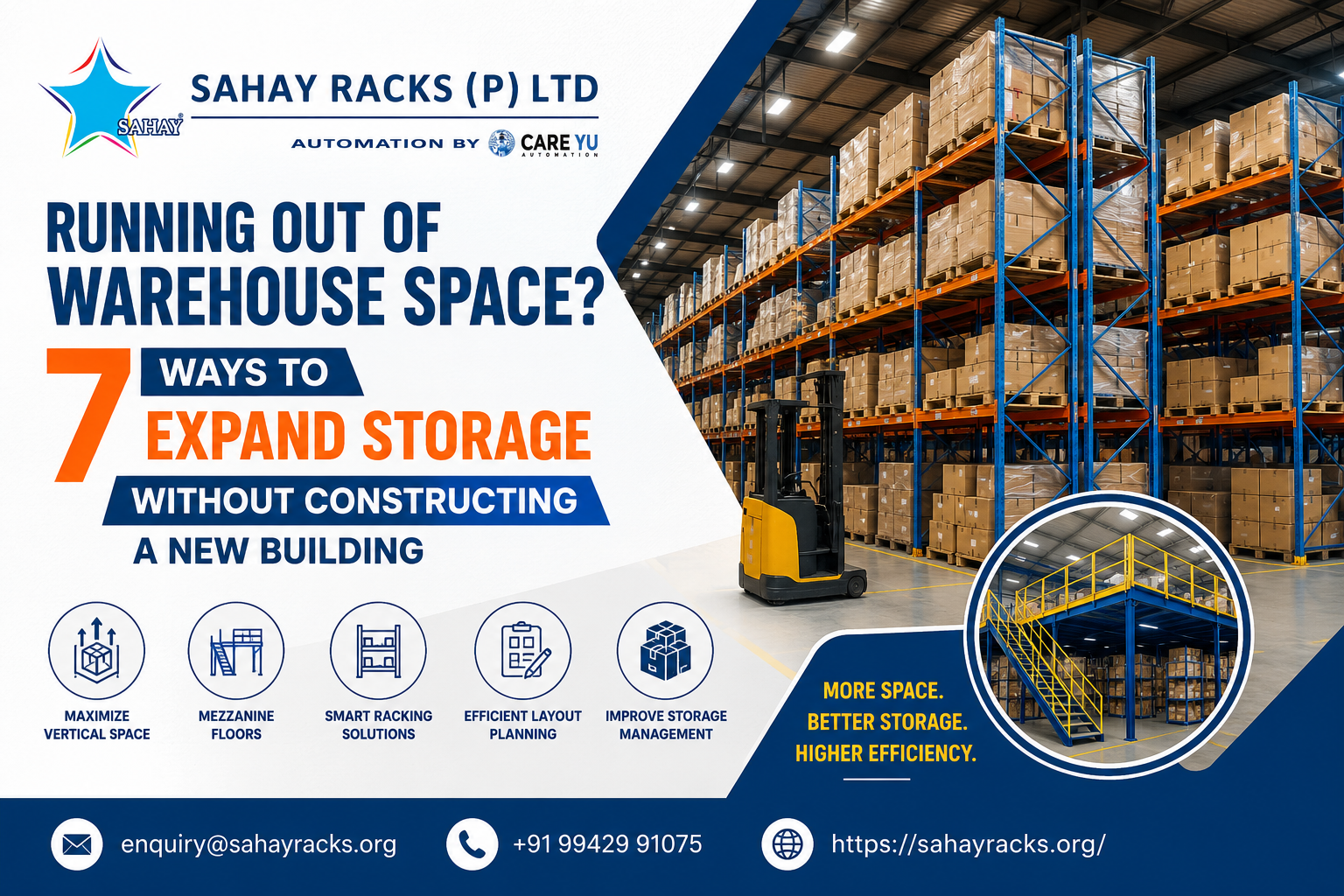
Running Out of Warehouse Space? 7 Ways to Expand Storage Without Constructing a New Building
As your business expands, the demand for efficient storage solutions increases. Whether you’re managing a manufacturing facility, logistics warehouse, retail distribution center, or e-commerce fulfillment hub, limited warehouse space can quickly become a major operational challenge. Crowded aisles, misplaced inventory, and inefficient storage layouts often slow down productivity and increase handling costs.
The first thought for many business owners is to build a larger warehouse. However, new construction demands significant investment, lengthy approvals, and valuable time. Fortunately, there’s a smarter approach. Warehouse Expansion Without Construction allows businesses to increase storage capacity by making better use of their existing facility.
With modern warehouse storage solutions, you can optimize every square foot of available space while improving workflow, inventory accessibility, and overall efficiency. Here are seven practical strategies that help businesses maximize storage without investing in a new building.
1. Take Advantage of Vertical Space
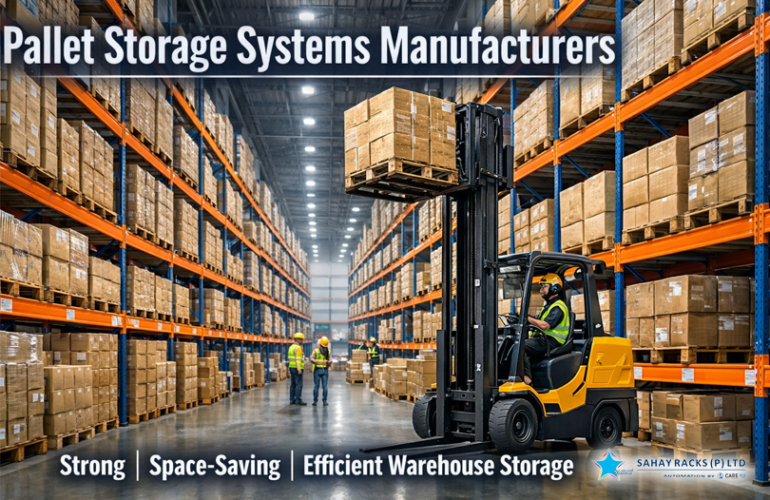
The unused height inside a warehouse often represents valuable storage capacity. Instead of expanding outward, businesses can increase storage by utilizing the full height of the building.
Installing heavy-duty storage racks or high-rise pallet racking systems enables goods to be stored safely at multiple levels. This approach not only increases storage capacity but also keeps products organized and easily accessible.
Benefits
- Maximizes existing warehouse height
- Creates additional storage without increasing floor area
- Improves inventory organization
- Reduces floor congestion
Vertical storage is particularly effective for warehouses with high ceilings and growing inventory volumes.
2. Add a Mezzanine Floor
If your warehouse has unused overhead space, a mezzanine floor can transform it into valuable storage or workspace.
Unlike constructing a new building, mezzanine installations are completed within the existing warehouse structure. Many companies utilize elevated platforms for inventory storage, packaging operations, and workspace expansion.
A well-designed mezzanine significantly improves space utilization while keeping day-to-day operations uninterrupted.
3. Upgrade to the Right Racking System
Many warehouses lose valuable storage because they continue using outdated or unsuitable shelving systems.
Every industry has unique storage requirements. Choosing the appropriate warehouse racking system based on product size, weight, and inventory movement allows businesses to store more products safely and efficiently.
Popular storage systems include:
- Selective Pallet Racking
- Drive-In Racking
- Cantilever Racks
- Slotted Angle Racks
- Heavy Duty Storage Racks
Selecting the right solution helps improve accessibility while making better use of available warehouse space.
4. Redesign Your Warehouse Layout
Sometimes the problem isn’t limited space—it’s poor planning.
Over time, warehouses often become disorganized as inventory grows. Wide aisles, poorly positioned racks, and inconsistent product placement can waste hundreds of square feet.
A professionally planned warehouse layout focuses on:
- Optimized aisle width
- Faster material movement
- Dedicated receiving and dispatch areas
- Logical product categorization
- Improved safety standards
Even small layout improvements can increase storage capacity while enhancing operational efficiency.
5. Organize Inventory More Efficiently
Storage expansion isn’t always about installing new equipment. Better inventory management can free up surprising amounts of space.
Businesses should regularly review stock levels and remove obsolete or slow-moving products. Frequently accessed inventory should be positioned closer to dispatch areas, while seasonal items can occupy higher storage levels.
Simple practices like barcode labeling, FIFO inventory management, and proper product categorization reduce clutter and improve warehouse productivity.
A clean and organized warehouse is easier to manage and supports faster order fulfillment.
6. Invest in Customized Storage Solutions
Every warehouse has its own unique storage and operational requirements. Standard storage systems may not fully utilize available space or support specific operational requirements.
Customized industrial storage racks are designed according to:
- Product dimensions
- Load-bearing requirements
- Material handling equipment
- Warehouse dimensions
- Business growth plans
Tailor-made storage solutions ensure every corner of the warehouse contributes to efficient storage while maintaining safety and accessibility.
7. Plan for Future Growth Today
Many businesses only think about storage after running out of space. A more effective strategy is to plan for future expansion while designing today’s warehouse.
Partnering with warehouse storage experts helps businesses design scalable layouts that support future growth. Modular racking systems, scalable storage designs, and automation-ready layouts help accommodate future business growth without expensive structural modifications.
Planning minimizes disruption, reduces future costs, and ensures long-term operational efficiency.
Why Expanding Without Construction Makes Financial Sense ?
Constructing a new warehouse is a major capital investment that often involves land acquisition, building permits, labor costs, and months of project execution. For many businesses, optimizing the existing facility provides a faster and far more cost-effective solution.
Modern storage systems allow companies to improve capacity while reducing operational expenses.
Key Advantages
- Lower investment compared to new construction
- Faster implementation
- Better inventory visibility
- Improved warehouse safety
- Increased storage capacity
- Higher employee productivity
- Better return on investment
- Minimal disruption to daily operations
These benefits make warehouse optimization a practical choice for businesses looking to grow without unnecessary infrastructure costs.
Conclusion
Running out of warehouse space doesn’t always mean you need a larger building. In many cases, the right storage strategy can unlock significant unused capacity within your existing facility. By utilizing vertical space, installing mezzanine floors, upgrading racking systems, improving warehouse layouts, and organizing inventory more efficiently, businesses can accommodate growing demand while controlling costs.
At Sahay Racks (P) Ltd, we provide customized warehouse storage systems designed to maximize space, improve efficiency, and support your business growth. From heavy-duty storage racks and pallet racking systems to customized industrial storage solutions and mezzanine floors, our team helps businesses maximize every square foot of available space.
Before investing in costly construction, explore smarter storage solutions that improve efficiency, enhance productivity, and prepare your warehouse for future growth.
Call to Action
👉 Need a warehouse storage solution?
Contact Sahay Racks today for a free consultation and layout design.
 Call us today +91 9942991075
 Visit: www.sahayracks.org
 Request a free consultation and stay connected with us for updates and insights on Facebook and LinkedIn.